Rules and ethics
VAT and self-assessment for UK food creators invoicing restaurants
Food creators invoicing UK restaurants need HMRC VAT registration threshold rules, self-assessment deadlines and Making Tax Digital know-how.
What to take away
- Food creators must register for VAT when taxable turnover for the last 12 months goes over £90,000, or when you expect to pass £90,000 in the next 30 days.
- For the 2025 to 2026 tax year, online returns and the tax owed are due by 31 January 2027.
- Payments on account are due on 31 January and 31 July, unless last year's bill was under £1,000.
- Making Tax Digital for Income Tax applies from 6 April 2026 to sole traders with income over £50,000.
The £90,000 VAT threshold
You must register for VAT if your total taxable turnover for the last 12 months goes over £90,000 (the VAT threshold). You must also register if you expect it to go over £90,000 in the next 30 days. One large campaign can trigger registration before the money lands.
The register for VAT guidance says you have to register within 30 days of the end of the month when you went over the threshold. The effective date is the first day of the second month after you go over it.
Turnover is not only restaurant invoices. Taxable turnover is the total value of everything you sell that is not VAT exempt or out of scope. It also includes goods you bartered, part-exchanged or gave as gifts. Record the value of any barter deal and the gifting rules that apply to it.
Registration costs margin if you ignore it, and it is one of the hidden costs of a campaign. VAT you did not charge still has to be paid from the date HMRC registers you. Model the VAT line before you quote, using a cost guide built around real invoices.
Charging VAT on a restaurant invoice
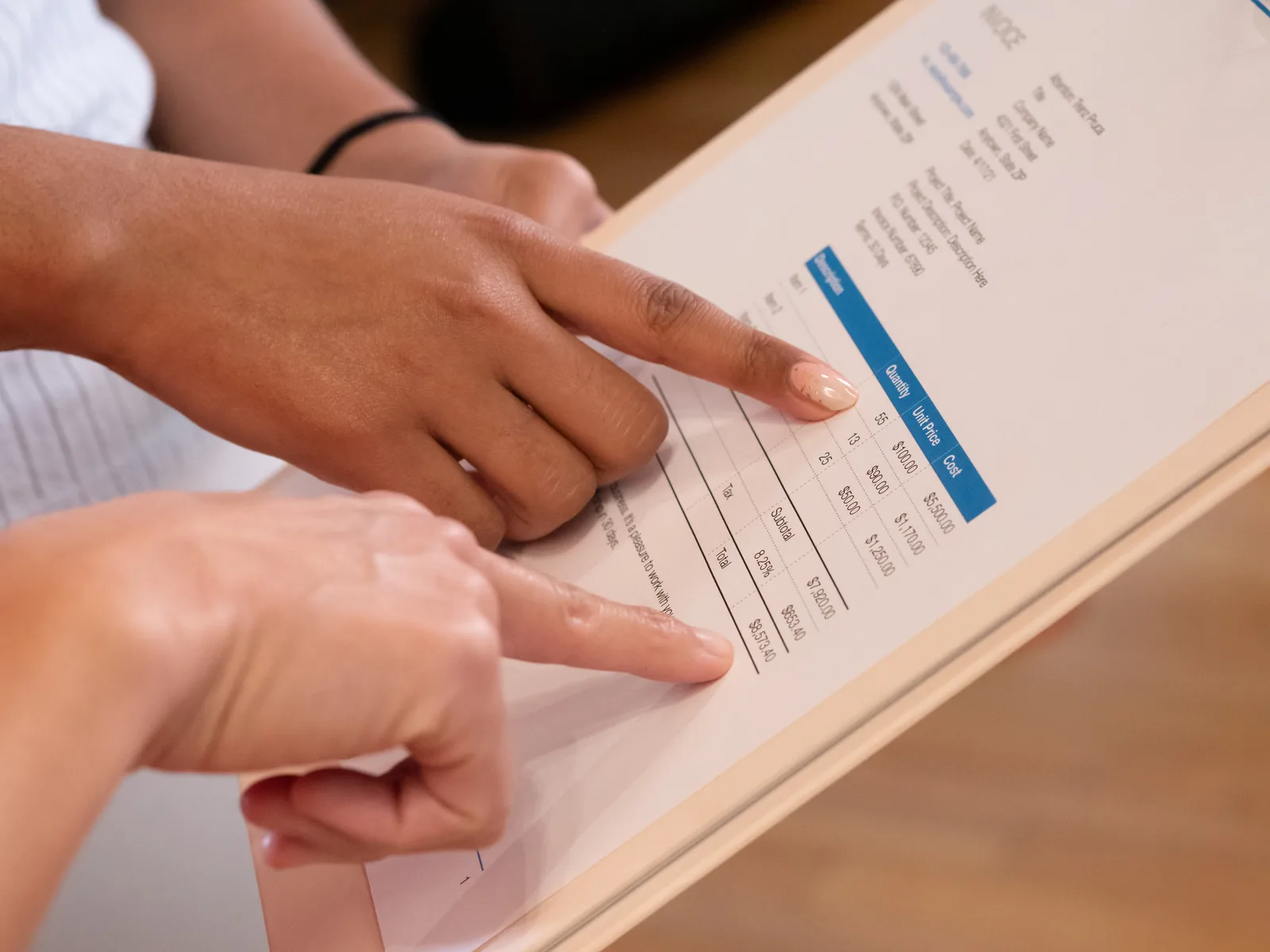
The standard VAT rate is 20%. A VAT-registered business must show its VAT number on invoices and display the VAT separately. Every quote should say whether the fee is plus VAT or inclusive of VAT, because silence becomes a dispute.
Worked example: a £2,000 campaign
The sums below are illustrative arithmetic and ignore tax on profit. A creator quotes £2,000 for a three-post campaign. After registration, VAT at 20% adds £400.
Not VAT registered
- Fee
- £2,000
- VAT at 20%
- £0
- Restaurant pays
- £2,000
VAT registered
- Fee
- £2,000
- VAT at 20%
- £400
- Restaurant pays
- £2,400
A restaurant that can reclaim the £400 keeps its net cost at £2,000. One that cannot reclaim VAT pays £400 more for identical work. Check the pricing models you offer against both cases.
Self-assessment dates for 2025 to 2026
The last tax year started on 6 April 2025 and ended on 5 April 2026. Tell HMRC by 5 October 2026 if you need a return and have not filed before.
The Self Assessment deadlines page on GOV.UK confirms the paper and online dates. Miss them and a late return brings an initial £100 penalty. After 3 months, daily penalties of £10 apply, up to a maximum of £900.
Late payment brings penalties of 5% of the tax unpaid at 30 days, 6 months and 12 months, plus interest on the amount owed. File and pay on time even when figures are rough.
Payments on account and records
Payments on account are payments towards your next tax bill. Each payment is half of the tax you owed last year, due by midnight on 31 January and 31 July.
You must make them unless the tax you owed last year was under £1,000, or you paid more than 80% of it outside Self Assessment. Budget for both instalments when a campaign month lifts your income.
Keep your records for at least 5 years after the 31 January submission deadline of the relevant tax year. Store invoices, bank statements, contracts and briefs together, so a campaign can be traced from brief to payment.
Making Tax Digital for Income Tax
From 6 April 2026, sole traders and landlords must use Making Tax Digital for Income Tax if their annual income from self-employment and property is over £50,000. From September 2026, HMRC will start signing up anyone who needs it for 2026 to 2027 and has not already signed up.
The test is qualifying income, not profit. Start with digital records now if your income is near the limit. Check your own position before the first quarterly update is due, and ask an accountant if the figures are close.
Invoices and contra deal evidence
Before you send an invoice, run through this list:
- Confirm the restaurant's legal name.
- Show your VAT number and the VAT separately once registered.
- State whether the fee is VAT-inclusive, in the quote and on the invoice.
- Attach the signed brief, deliverables, usage period and payment terms.
Contra deals need evidence of value. Keep the itemised bill, the brief, the posting schedule and a dated screenshot of the live content. Your disclosure policy should say how a contra deal is labelled. On larger work, review commercial contracts for who carries VAT and when payment falls due.
Common questions
When must a food creator register for VAT?
When taxable turnover for the last 12 months goes over £90,000, or when you expect it to pass £90,000 in the next 30 days. Register within 30 days of the end of the month you went over.
What triggers payments on account?
A previous tax bill of £1,000 or more, unless you paid more than 80% of it outside Self Assessment. Both instalments fall due on 31 January and 31 July.
Does VAT registration make a restaurant deal more expensive?
Only for a restaurant that cannot reclaim VAT. A VAT-registered restaurant normally recovers the VAT you charge, so its net cost can stay the same.